


THE LEARNING CURVE IN REGIONAL ANAESTHESIA
Ενδιαφέρουσες Ανασκοπήσεις
THE LEARNING CURVE IN REGIONAL ANAESTHESIA
Alain Borgeat
Professor of Anaesthesiology
Switzerland
Παρουσιάστηκε στο: 11ο Πανελλήνιο Συνέδριο Περιοχικής Αναισθησίας, Θεραπείας Πόνου και Παρηγορητικής Αγωγής, Ξενοδοχείο Doryssa Bay, Σάμος, 23 – 26 Σεπτεμβρίου 2010
Για το πλήρες κείμενο σε μορφή pdf κάντε click εδώ.
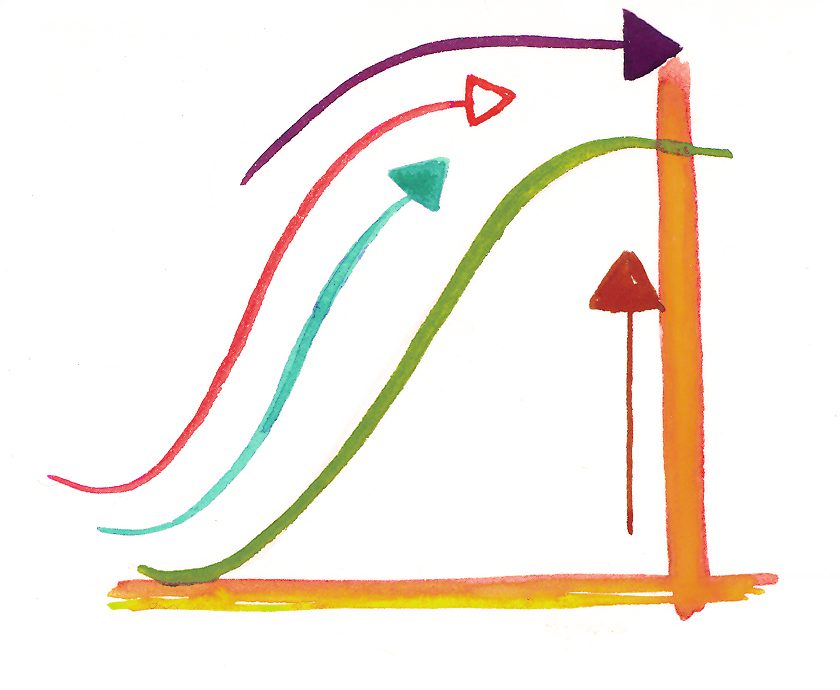
The learning curve is a multidimensional function with a wide intra- and interindividual scattering. Regional anaesthesia learning process has been shown to be more difficult than general anaesthesia. This fact emphasizes the need to find the best strategies to teach regional anaesthesia. Individual and institutional learning processes are complex and depend on a wide variety of factors. These include experience, manual skills and institutional environment. The 85 ± 5 % success rate has been shown to be reached by the majority of residents by experience only. Experience being the reflection of the number of cases performed. To go beyond the 90% success rate, other factors should be considered. Institutional environment is one of the most important to get over the magic limit of 90%. Optimal environment should comprise a group of dedicated and experienced mentor, a sufficient clinical volume and a well standardized method for each block. Each step during block performance should not only be explained but also documented in order to move from implicit to explicit learning. Access to other means of teaching should also be available. Individual characteristics are another factor which needs to be recognized. This issue is critical in order to correct specific individual deficits. The application of all these principles is mandatory to reach the 90% success rate barrier and to provide well trained anaesthesiologists for the regional anaesthesia health market.